7 Day Fatty Liver Diet Plan
When it comes to supporting your body’s primary metabolic filter, your daily plate plays a monumental role. Making intentional adjustments to your regular eating habits and lifestyle is one of the most effective ways to combat cellular sluggishness, manage systemic oxidative stress, and assist your liver’s natural, innate repair pathways.
Below is a comprehensive guide to understanding hepatic fat accumulation, the foundational building blocks of a liver-friendly eating strategy, and a practical 7-day menu blueprint to help get your vitality back on track.
Understanding Fatty Liver
Hepatic fat buildup occurs when excess lipids store themselves directly within liver tissue. This baseline metabolic challenge generally branches into two separate pathways: non-alcoholic and alcohol-induced.
Because lifestyle factors heavily influence non-alcoholic variations, it helps to understand how it commonly presents:
- Standard Lipid Accumulation: This occurs when extra fat settles into the tissue, but there is no active irritation or permanent cellular damage. For most people, this baseline stage remains stable and doesn’t cause further complications.
- Oxidative Disruption (Advanced Stage): This happens when internal fat buildup triggers systemic tissue irritation and cellular wear-and-tear. Over time, persistent irritation can cause structural scarring, which can eventually progress to more severe, long-term health concerns.
Statistically, a slow metabolic liver filter affects roughly 25% of the global population, making it one of the most widespread wellness hurdles today. Because it rarely shows obvious early warning signs, many people only notice it due to persistent, deep midday fatigue or a dull sensation of fullness in the upper right side of the abdomen.
Core Elements of a Clean-Slate Eating Strategy
Because there is no standard prescription fix for non-alcoholic metabolic buildup, optimizing your nutritional choices is the single best way to protect your long-term vitality.
The ideal menu focuses heavily on whole, earth-grown foods: fresh vegetables, leafy greens, clean lean proteins, unrefined grains, and beneficial essential fats. To keep your system running optimally, aim to keep your total daily fat intake under 30% of your overall calories, focusing almost entirely on monounsaturated and polyunsaturated fats to calm internal oxidative stress.
Fatty liver doesn’t fix itself. If you’re ready to take control, this is the exact system thousands are using to heal their fatty liver:

Click here to get instant access
Nutritional Powerhouses to Prioritize
When mapping out your weekly grocery list, focus on foods packed with natural fiber, protective omega-3 fatty acids, and essential micronutrients:
- Intact Whole Grains: Swap out stripped, white, refined carbohydrates for complex alternatives like steel-cut oats, quinoa, wild rice, and 100% whole-grain pastas. The intact fiber content keeps your digestion steady and helps your liver function smoothly.
- Wild-Caught Coldwater Fish: Salmon, mackerel, and tuna are rich powerhouses of EPA and DHA omega-3s, which offer exceptional structural shield protection for your cells. Plant-based omega options include chia seeds, flax, and raw walnuts.
- Daily Antioxidant Boosters:
- Black Coffee: Studies suggest regular coffee consumption supports healthy liver enzyme levels and defends against tissue stiffening.
- Raw Leafy Greens: Spinach and kale provide deep cellular defense against lipid accumulation.
- Legumes & Lentils: Packed with clean plant protein and prebiotic fiber to support a healthy metabolic baseline.
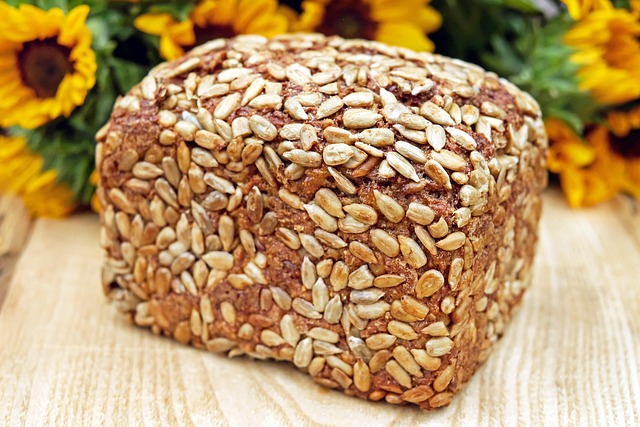
- Sunflower Seeds: A phenomenal source of Vitamin E, a potent antioxidant that actively combats cellular free radicals.
Inflammatory Triggers to Drop Immediately
To give your metabolic filter a fighting chance, it is vital to eliminate foods that drive up internal systemic stress:
- Deep-Fried Foods: High in trans fats and heavily oxidized oils, these foods place immense structural stress on vulnerable liver cells.
- Concentrated Refined Sugars: High-fructose corn syrup and added sweet syrups are primary contributors to internal metabolic stalls, rapidly converting into unwanted stored fats.
- Ultra-Processed Items: Packaged snacks usually come loaded with hidden sodium and chemical preservatives that aggravate internal fluid retention and tax your filtration system.
- Alcoholic Beverages: The process of breaking down alcohol generates chemical byproducts that actively irritate and burden cellular walls. Eliminating alcohol entirely is the safest way to prevent extra stress on your system.

Your 7-Day System-Reset Meal Guide
Putting a grocery list into practice can feel overwhelming. Use this structured, easy-to-follow 7-day meal plan as a practical framework for your weekly meal prep.
The 7-Day Menu Blueprint
Day 1
- Breakfast: 3 eggs scrambled in extra virgin olive oil with fresh turmeric, baby spinach, and pumpkin seeds. Served with 1 slice of toasted sprouted grain bread.
- Lunch: Massaged raw kale and arugula salad topped with sliced grilled turkey breast, shaved fennel, cucumber, and a creamy avocado-lime dressing.
- Dinner: Wild-caught baked cod fillet topped with a fresh tomato, caper, and garlic relish, served alongside roasted brussels sprouts and steamed wild rice.
- Snacks: Raw walnuts with fresh organic blueberries; crisp radish slices dipped in guacamole.
Day 2
- Breakfast: Unsweetened plain coconut or low-fat Greek yogurt layered with raw sunflower seeds, chia seeds, a dash of ground ginger, and fresh raspberries.
- Lunch: Shredded lean beef strips served over a bed of quinoa, roasted zucchini ribbons, and sautéed sweet onions, drizzled with cold-pressed olive oil.
- Dinner: Wild-caught trout or salmon roasted alongside asparagus spears and cubed butternut squash, seasoned with fresh rosemary and lemon zest.
- Snacks: Sliced jicama or bell peppers dipped in tahini paste; one hard-boiled egg with a pinch of black pepper.
Day 3
- Breakfast: Warm chia seed pudding (made with unsweetened almond or low-fat milk), infused with Ceylon cinnamon, a drop of stevia, and topped with chopped raw almonds.
- Lunch: Thinly sliced purple cabbage, shredded carrots, and grilled chicken breast tossed with toasted sesame oil, ginger, and raw pumpkin seeds.
- Dinner: Ground lean turkey sautéed with chopped garlic, artichoke hearts, kalamata olives, and fresh parsley, served over a bed of riced cauliflower.
- Snacks: A handful of raw macadamia nuts; celery sticks filled with unsweetened almond butter.
Day 4
- Breakfast: 2 poached eggs served over a thick slice of sprouted grain toast, layered with half a smashed avocado and a sprinkle of hemp hearts.
- Lunch: A bowl of homemade low-sodium beef or chicken bone broth simmered with chopped leeks, garlic, shiitake mushrooms, and lean chicken breast strips.
- Dinner: Sautéed wild shrimp tossed with fresh basil pesto, served alongside a roasted sweet potato and garlic-seared green beans.
- Snacks: Steamed edamame pods with a touch of sea salt; organic strawberry slices.
Day 5
- Breakfast: Warm rolled oats cooked with fresh grated ginger, topped with a scoop of clean plant-based protein powder, a splash of low-fat milk, and fresh blackberries.
- Lunch: Pure wild-caught canned tuna mixed with a touch of extra virgin olive oil, diced celery, and fresh dill, scooped into crisp romaine lettuce boats.
- Dinner: Grilled chicken skewers layered with bell peppers and red onions, served with a side of roasted root vegetables (parsnips and turnips) and a fresh green side salad.
- Snacks: A small handful of raw brazil nuts; crisp cucumber rounds with hummus.
Day 6
- Breakfast: Slices of wild smoked salmon or trout served over a toasted whole-grain English muffin with a light layer of avocado spread and fresh chives, paired with 1 boiled egg.
- Lunch: Warm brown lentils tossed with diced roasted beets, baby spinach, grilled chicken breast, and a light balsamic vinaigrette.
- Dinner: Tender pot roast (lean cut) slow-cooked with celery, onions, garlic, and fresh thyme, served alongside steamed broccoli florets.
- Snacks: Fresh apple slices dusted with cinnamon; a handful of dry-roasted sunflower seeds.
Day 7
- Breakfast: A mini frittata baked with eggs, chopped asparagus, onions, and fresh tarragon, served with a side of fresh grapefruit sections.
- Lunch: Leftover cold-baked salmon flaked over a bed of mixed greens, edamame, shredded cabbage, and a light sesame-ginger dressing.
- Dinner: Wild-caught scallops or shrimp flash-fried in a skillet with avocado oil, garlic, ginger, snap peas, and bok choy, served over brown rice.
- Snacks: Plain Greek yogurt finished with a light sprinkle of flaxseeds; raw carrot sticks.
Core Pillars of the Plan
This specific framework works because it targets the underlying mechanisms of physical stagnation:
Clean Essential Lipids: Eliminating industrial seed oils and replacing them strictly with cold-pressed olive oil, avocado, and wild marine fats calms tissue irritation and promotes healthy arterial flexibility.
Cruciferous Density: Foods like broccoli, brussels sprouts, and cabbage contain glucosinolates, which directly support your liver’s phase II detoxification pathways.
Heavy Selenium & Trace Minerals: Incorporating brazil nuts, sunflower seeds, and seafood ensures your body has the raw mineral building blocks required for optimal thyroid cellular function.
Fatty liver doesn’t fix itself. If you’re ready to take control, this is the exact system thousands are using to heal their fatty liver: